When most people think about adding a dog to their family, they picture playful puppies and boundless energy. While puppies are wonderful, there’s another kind of companion waiting in shelters — one that brings calm, gratitude, and unmatched loyalty.
At Senior Snouts Sanctuary & Rescue, we’ve seen firsthand how adopting a senior dog can transform not just the dog’s life, but the adopter’s as well.
1. They’re Already Trained
Senior dogs typically come with years of life experience. Most are house-trained, know basic commands, and understand how to live peacefully in a home. This means less time spent teaching the basics and more time enjoying each other’s company.
2. Calmer, Easier Companions
Unlike energetic puppies, seniors are past the high-energy stage. They’re content with short walks, cozy naps, and gentle play — making them a great fit for busy families, retirees, or anyone who prefers a relaxed pace.
3. Their Personality is Already Developed
With senior dogs, what you see is what you get. Their personalities, energy levels, and needs are well established, so there are fewer surprises. This makes it easier to find a dog that matches your lifestyle.
4. They’re Incredibly Grateful
Many of our senior rescues have faced abandonment, neglect, or loss. When you give them a loving home, they seem to know they’ve been given a second chance — and they show their gratitude every day with affection and loyalty.
5. You’re Saving a Life
Senior dogs are often the first overlooked in shelters and the most at risk of euthanasia. By adopting one, you’re not just gaining a pet — you’re giving a dog the golden years they deserve.
6. Perfect for First-Time Pet Owners
Because they’re already trained and have established routines, senior dogs can be a wonderful choice for people adopting their first dog. They require less intensive training and are usually easier to manage than young puppies.
A Story That Says It All
Take Harley, a 10-year-old beagle mix who came to Senior Snouts after losing his elderly owner. He was quiet, gentle, and unsure of his new surroundings. Within days of being adopted by a young couple, Harley became the heart of their home. He now spends his days going on short adventures and evenings curled up by the fireplace.
His adopters say, “We thought we were giving Harley a home, but he gave us so much more — love, joy, and a sense of purpose.”
How to Adopt a Senior Dog from Senior Snouts
Our process is simple and designed to ensure the perfect match:
Browse available dogs on our Meet the Dogs page.
Submit an adoption application.
Meet your potential companion at our sanctuary or in a foster home.
Welcome your new best friend home.
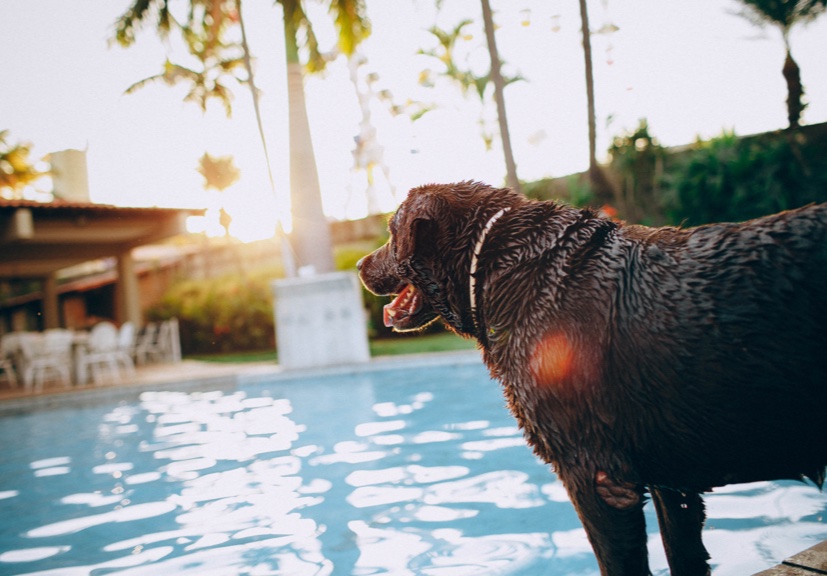
Chlorine and chemicals

“Not all dogs are great swimmers and not all pools are considered dog friendly.”