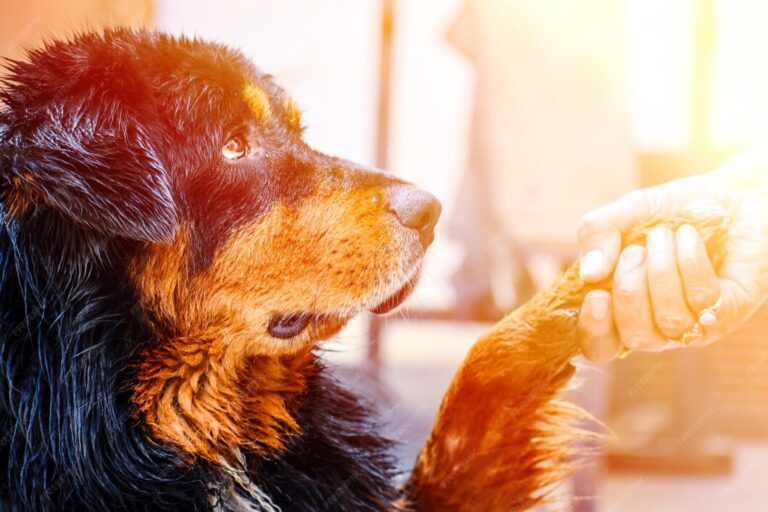
Senior dogs hold a special place in our hearts at Senior Snouts Sanctuary & Rescue. Their graying faces, gentle manners, and deep eyes tell stories of love and loyalty. As they enter their golden years, they deserve comfort, dignity, and the very best care we can provide.
Whether you’ve just adopted a senior dog or have had your furry friend for many years, this guide will help you keep them happy, healthy, and loved.
1. Prioritize Regular Vet Check-Ups
Senior dogs benefit from seeing the vet at least twice a year. Early detection of health issues like arthritis, dental disease, or kidney problems can make a huge difference in their quality of life.
Tips:
Schedule annual bloodwork to monitor organ function.
Keep vaccinations and parasite prevention up to date.
Discuss supplements for joint health and mobility.
2. Adjust Their Diet
Older dogs often need food that supports joint health, digestion, and weight management.
Consider:
Senior-specific dog food with added glucosamine and chondroitin.
Smaller, more frequent meals for easier digestion.
Plenty of fresh water to support kidney health.
3. Keep Them Comfortable
Senior dogs may develop arthritis or stiffness, so their living space should be easy to navigate.
Comfort upgrades:
Orthopedic dog beds for joint support.
Non-slip rugs to prevent falls.
Ramps for getting onto couches or beds safely.
4. Maintain Gentle Exercise
While they may not run as fast as they used to, senior dogs still need movement to stay healthy.
Great options:
Short, frequent walks.
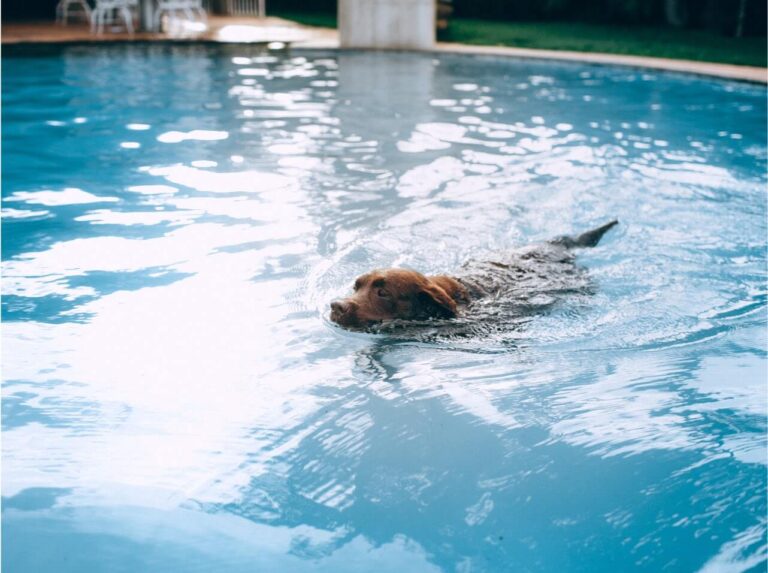
Swimming for low-impact exercise.
Gentle games like sniff-and-find treats.
5. Focus on Mental Stimulation
Keeping a senior dog’s mind active is just as important as physical exercise.
Ideas:
Puzzle feeders to encourage problem-solving.
Training refreshers for basic commands.
Soft chew toys for safe play.
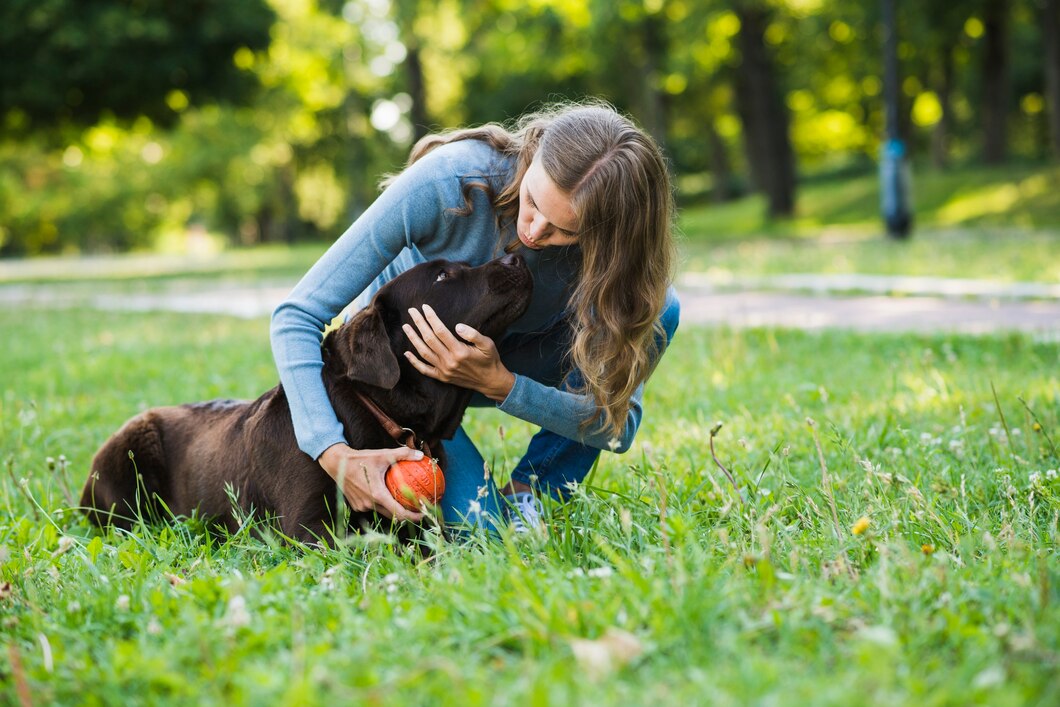
6. Give Extra Love & Patience
Senior dogs may experience hearing loss, vision decline, or slower reflexes. Approach them gently, be patient with their needs, and cherish every moment together.
At Senior Snouts, we’ve seen firsthand how love can transform a senior dog’s life — whether it’s the joy of a soft blanket, a kind word, or a gentle pat on the head.
Our Promise to Senior Dogs
Caring for a senior dog is more than a responsibility — it’s a privilege. These dogs have given humans their loyalty for years; in return, we owe them comfort, kindness, and respect in their final chapter.
Chlorine and chemicals
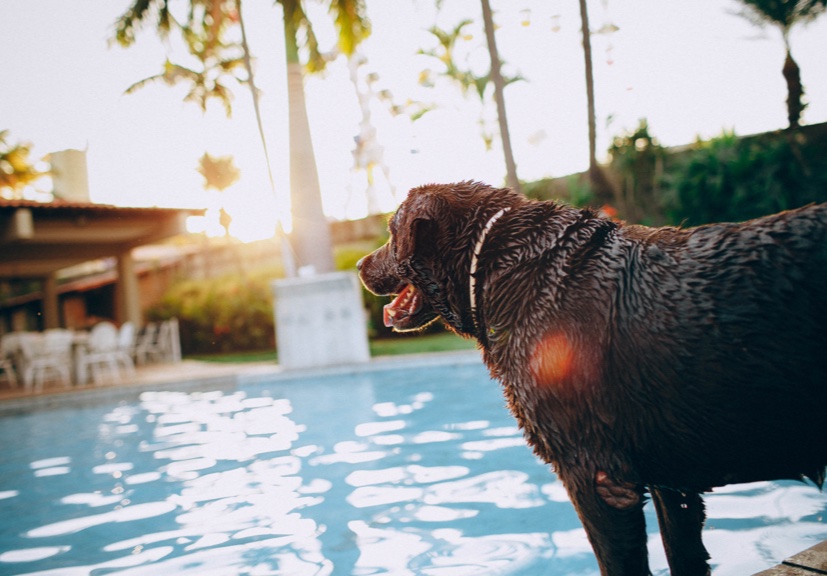
The chlorine and chemicals used in the pool will cause your dog to become sick with health problems such as dry mouth or gastric distress, which is no fun for anyone. Many of these same precautions and tips apply to ponds, rivers, and lakes as well. Although they are declared to be safer for dogs because they have better exits and a lack of chemicals, these places can also be harmful. Do not let your dog consume pond, puddle, or lake water. These areas are a common source of parasites that cause gastrointestinal issues that can also be passed on to other members of your family. Keep a close eye on them to make sure they do not wander and pick up any harmful objects such as dead fish or broken glass.

“Not all dogs are great swimmers and not all pools are considered dog friendly.”