
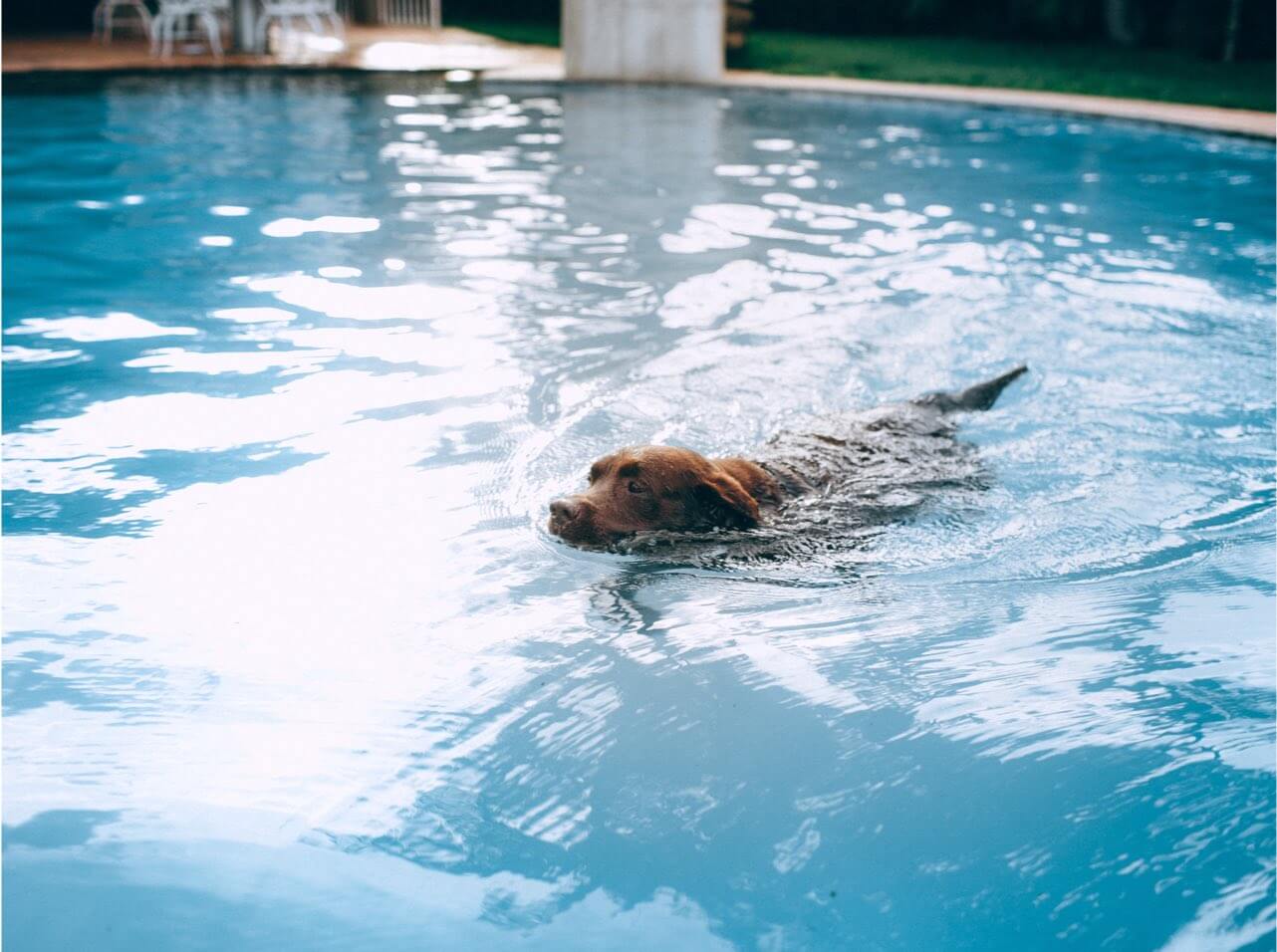
The pool can be a wonderful spot for relaxation, exercise, and fun — not just for humans, but for some dogs too. For senior dogs, however, safety comes first. While a dip in the pool can help ease joint stiffness and provide gentle exercise, it’s important to supervise closely to prevent fatigue or accidents.
Not all dogs are natural swimmers, and older dogs may tire more quickly or have vision and mobility challenges. Always ensure there’s a safe, easy way for them to exit the pool and that the water temperature is comfortable. With supervision, patience, and the right safety measures, your senior pup can enjoy a splash without risk.
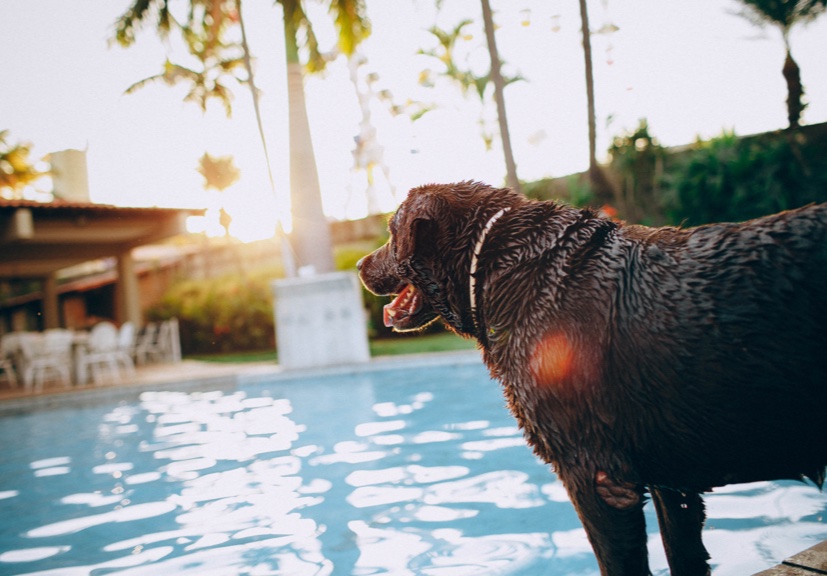
Recognize your dog’s swimming ability early and take the proper precautions to keep them safe. For senior dogs or those with conditions like arthritis, a flotation vest can make water activities safer and more comfortable. Always introduce your dog to the water gradually so they feel confident before swimming.
Older dogs can be more sensitive to chlorine, which may irritate their skin and eyes. After any swim, rinse them thoroughly with fresh water to prevent irritation and protect your home from wet fur odors. Even if they seem thirsty, avoid letting your dog drink pool water, as it can upset their stomach.
Chlorine and chemicals
The chlorine and other chemicals used to keep pools clean can cause issues such as dry mouth, skin irritation, or stomach upset in dogs — particularly in seniors with more delicate health. These concerns also apply to ponds, lakes, and rivers, which may carry bacteria, parasites, or sharp debris like broken glass.
Always supervise your dog near natural bodies of water, and ensure they don’t drink from or swim in areas that could pose a health risk. Safety, supervision, and post-swim care are key to making water time a positive experience for your senior pup.

“Not every dog is a natural swimmer, and not every pool is safe or welcoming for them.”
Rule number one for pet pool safety is to never leave your senior dog unattended near water
Pools can pose serious risks to senior dogs, especially those with limited mobility, arthritis, or health concerns. If your dog isn’t a strong swimmer, a canine life jacket can improve buoyancy and visibility — especially for smaller or weaker dogs. This extra precaution can make a huge difference in keeping them safe.
Never assume all dogs can swim. Some need training, while others may never feel comfortable in the water. Identify your dog’s comfort level early and take steps to ensure their safety. Supervision is crucial to prevent accidents and provide immediate help if needed.
For older dogs, gradual introductions to water are essential. They may also be more sensitive to chlorine, which can irritate their eyes, skin, and respiratory system. Always rinse your dog with fresh water after a swim to avoid irritation and keep them comfortable.



Wow