
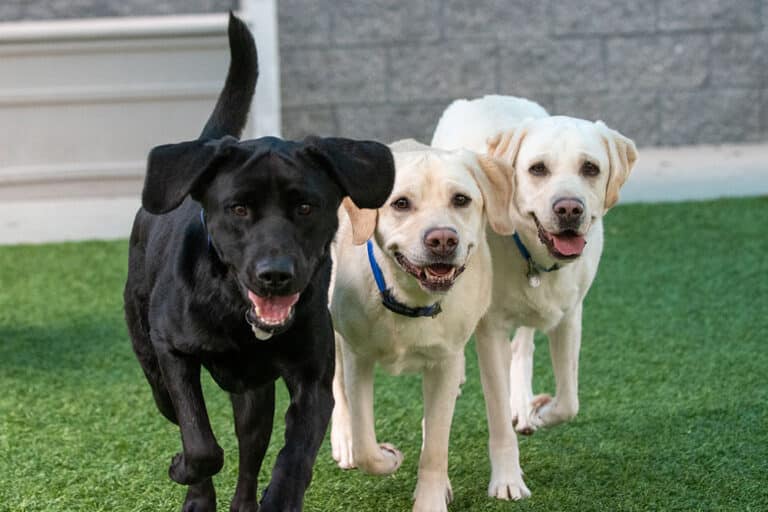
When you open your home to foster a senior dog, you’re doing more than providing shelter — you’re offering hope, healing, and the comfort of family to a dog who may have known only loss and uncertainty.
At Senior Snouts Sanctuary & Rescue, fostering is one of the most powerful ways our supporters can help save lives. It gives senior dogs the opportunity to live in a loving home environment while they wait for their forever family.
Why Foster a Senior Dog?
Fostering changes everything for a senior dog:
Less Stress – Shelters can be overwhelming, especially for older dogs who crave peace and routine.
Better Health – In a foster home, seniors often eat better, sleep better, and receive more one-on-one attention.
More Adoptable – Living in a home allows dogs to show their true personalities, making it easier to find the perfect match.
Faster Recovery – For dogs recovering from illness or surgery, a quiet home is the best place to heal.
Myth 1: It’s too hard to let them go.
While it can be emotional, knowing you’ve helped save a life and given a dog the chance to find their forever home is incredibly rewarding.
Myth 2: Senior dogs are too sick or slow.
Many seniors are active, playful, and in good health — they just need a comfortable place to enjoy their golden years.
Myth 3: It’s expensive.
At Senior Snouts, we cover the cost of food, supplies, and veterinary care for all foster dogs. Your job is to provide love and companionship.
A Day in the Life of a Foster Parent
Fostering a senior dog is often easier than people think.
Morning: Breakfast and a short walk or yard time.
Afternoon: Quiet time while you work, read, or relax.
Evening: Playtime, cuddles, or a gentle stroll.
Senior dogs usually have lower energy levels and enjoy long naps, making them a great fit for people who want companionship without high activity demands.
Success Story: Daisy’s Journey
Daisy, a 10-year-old Lab mix, came to us shy and withdrawn. Her foster mom, Emily, gave her the space and kindness she needed to feel safe again. Within weeks, Daisy’s tail wagged at the sight of visitors, and she found her forever home with a retired couple who adore her.
Emily says, “Fostering Daisy was one of the most fulfilling things I’ve ever done. I got to be a part of her transformation.”
How to Become a Foster for Senior Snouts
It’s simple:
Apply Online – Fill out our foster application.
Home Check – We ensure your home is safe and suitable for a senior dog.
Meet Your Foster Dog – We’ll match you with a dog that fits your lifestyle.
Why Your Role is So Important
Every foster home opens up space at our sanctuary for another senior in need. Without fosters, we can’t save as many lives.
When you foster, you’re part of a chain of kindness — rescuing a dog from uncertainty, preparing them for adoption, and helping them take their first steps toward a better life.

Chlorine and chemicals

“Not all dogs are great swimmers and not all pools are considered dog friendly.”